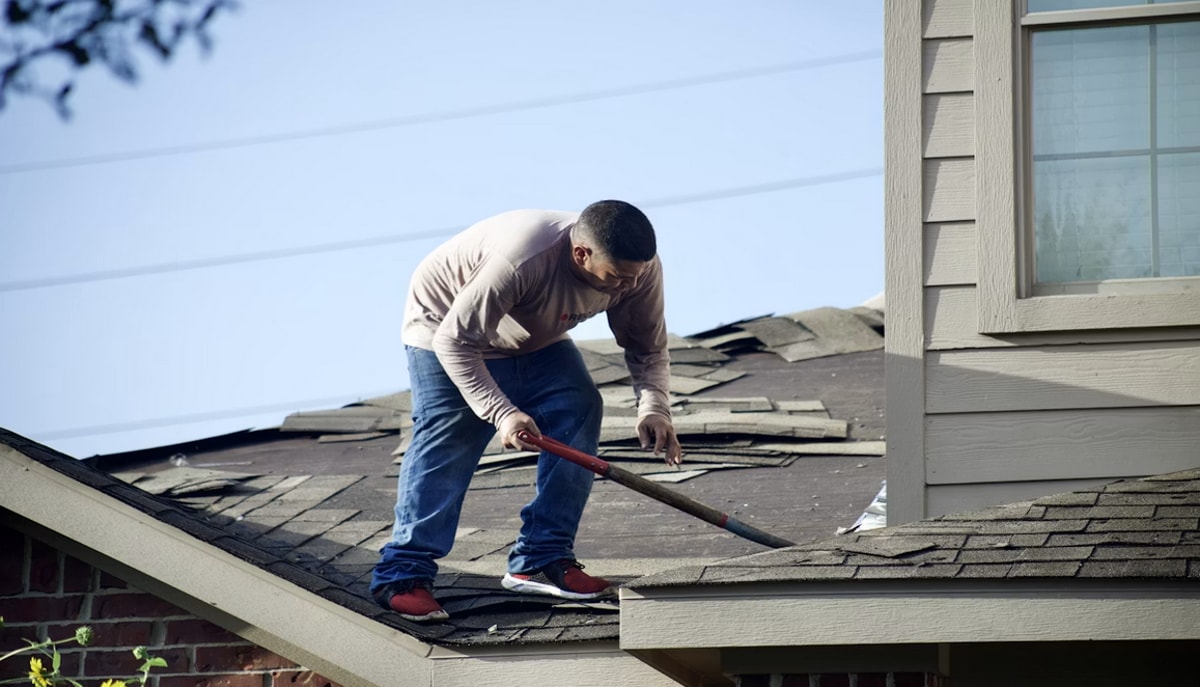
Many homeowners only think about roof maintenance during heavy snowstorms, ice dams, and freezing temperatures. By then, it is often too late to fix problems at a relatively affordable cost. You end up having to manage the damage.
Fall is actually the best season to prepare your roof, not winter. The weather is mild, contractors are available, and you don't have to shell out a hefty sum for roof replacement come winter. That’s why reputable roofing companies recommend scheduling a roof inspection before temperatures drop.
However, while the warning signs of roof issues show early, they are easy to miss if you don’t know where to look. Here are five things worth checking before fall settles in to prevent what requires a simple repair from turning into an unexpected roof replacement.
1. Granule Loss on Asphalt Shingles
Your asphalt shingles are coated with tiny mineral granules that shield them from sunlight and rain. However, as roofs age, these granules begin to wear away. The best place to check is your gutters. If you notice buildup of coarse, sand-like grit, your shingles may be losing their protective coating.
There may also be patches that appear darker. Without these granules, your shingles become vulnerable in New Hampshire’s repeated freeze-thaw cycles. Moisture can penetrate exposed areas, freeze overnight, expand, and eventually weaken your roofing system. You should safely inspect your gutters from the ground after cleaning them. If the granule loss appears excessive, schedule a professional evaluation rather than assuming the roof needs replacement.
2. Daylight in Your Attic
You can conduct simple inspections on your home. On a bright day, head into your attic and turn off the attic lights. Allow your eyes to adjust to the darkness, then check the attic roof to see if daylight shines through the roof decking. You may find gaps where water, insects, or cold air can enter.
Those tiny openings might not leak during summer rain, but once snow accumulates and begins to melt, they provide an easy path for moisture into your attic insulation and ceilings. If you notice any visible light, schedule a professional inspection with a roofing company in Manchester, NH as soon as possible. The small repairs you make now are generally quicker and less disruptive than emergency winter repairs.
3. Rooftop Gardens (Moss and Algae Growth)
Most moss and algae may seem harmless, but they are quietly damaging your roof. Moss acts like a sponge, trapping moisture against asphalt shingles. As temperatures drop, that trapped water freezes, expands, and can crack your shingles over time. The constant moisture also creates ideal conditions for wood rot beneath the roofing materials.
Similar to moss, algae presence often signals persistent moisture retention and poor drying conditions. Look out for green moss, black streaks, or thick patches that grow on shaded sections of your roof. In all you do, avoid pressure washing or scraping moss yourself. It can damage the roofing materials. Get professionals to remove them safely while maintaining your roof’s integrity.
4. Sagging Gutters
Contrary to common belief, gutters are not a separate system. They are an essential part of your roof and work towards protecting your roof from water damage. Over time, your gutters can loosen, separate from the fascia, or even begin to sag under their own weight. Once autumn leaves begin to fall, the gutters can get clogged and trap water instead of directing it away from your home.
To prevent this, walk around your home and look for gutters that appear uneven, bowed, or detached from the roofline. This, along with proper gutter maintenance, helps protect both your roof and your home’s structure throughout the winter months.
5. Warped or Curling Shingles Edges
Shingles should lie flat against your roof. If they curl upwards at the edges, cup in the middle, or lift unevenly, that’s a warning. While aging is one possible cause, warped shingles often point to poor attic ventilation. Excess heat trapped beneath the roof can prematurely age your shingles and make them susceptible to lifting by strong winds.
Periodically scan your roofline and look for shingles that no longer appear flat or uniform. Have a roofing contractor determine whether the issue, if present, stems from ventilation, isolated damage, or normal aging.
Endnote
Preparing your roof for fall is one of the smartest ways to protect your roof and home. It is equally a smart investment that saves you money before New Hampshire’s toughest weather arrives. If you have noticed any of these issues highlighted, make plans for a professional evaluation to address them while repairs are simpler and more affordable.