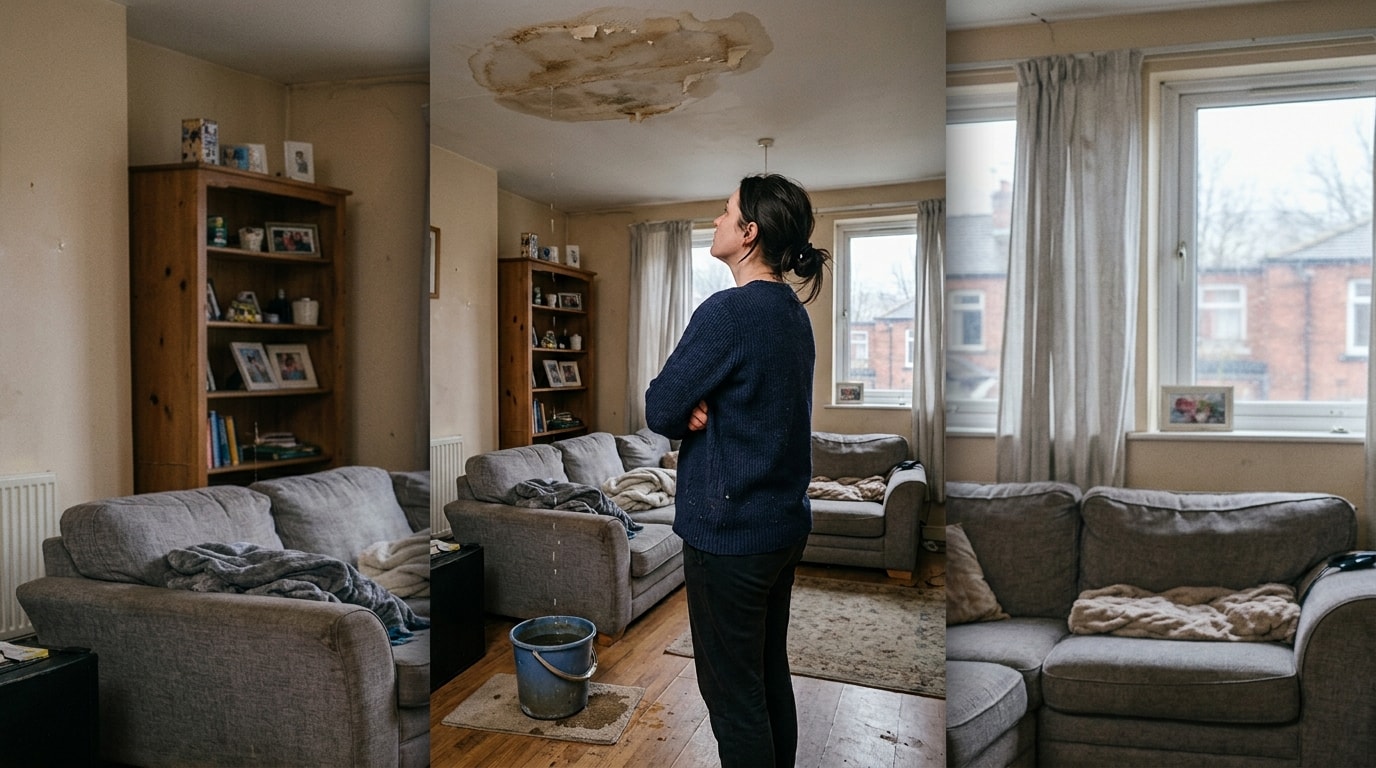
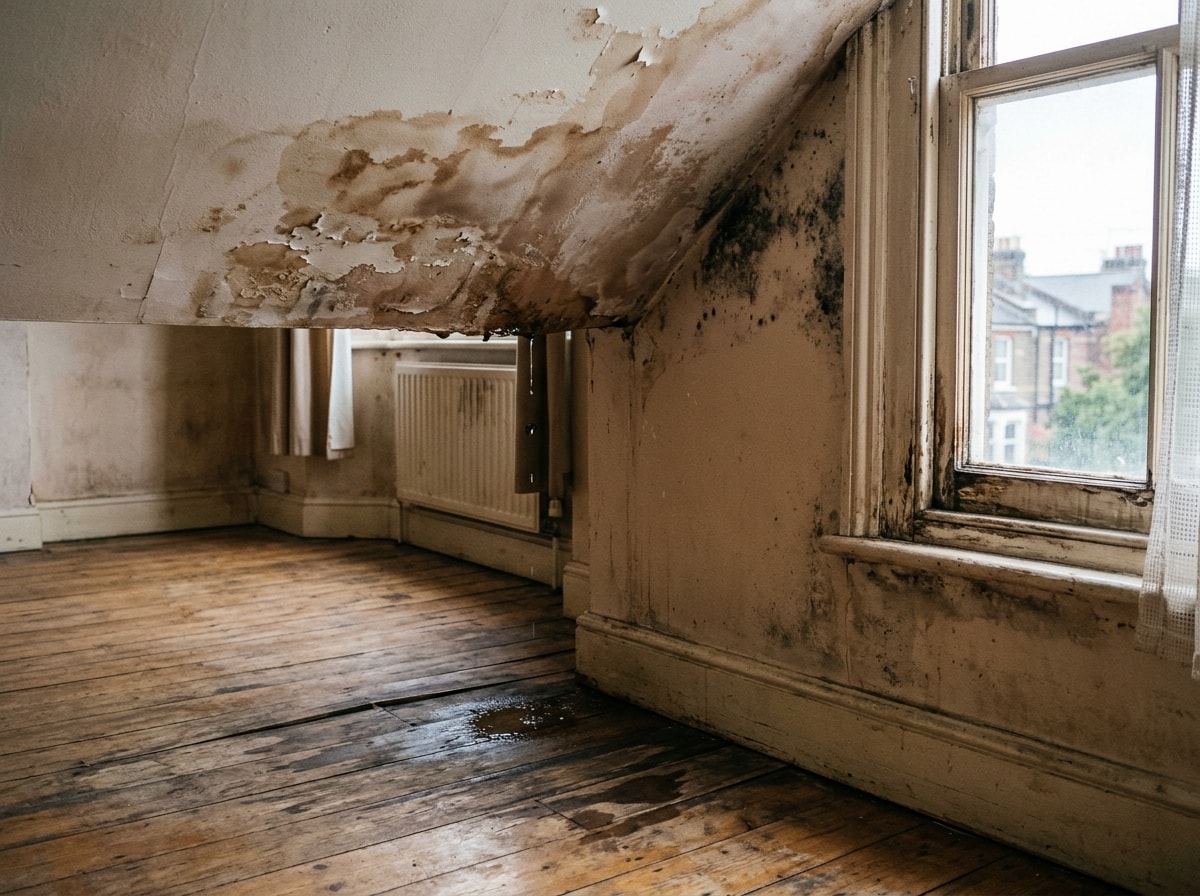
Living in a rented property with ongoing repair problems can be stressful, uncomfortable and, in some cases, unsafe. Damp, mould, leaks, faulty heating and structural defects can affect daily life, damage belongings and place additional pressure on tenants who have already reported the problem.
Many repair issues can be resolved through clear communication with a landlord or housing provider. However, when serious problems continue, repair requests are ignored or the condition of the property begins to affect health and wellbeing, professional advice may become necessary.
What Is Housing Disrepair?
Housing disrepair generally refers to defects in a rented home that the landlord or housing provider may be responsible for repairing.
The exact responsibility can depend on the tenancy agreement, the cause of the damage and the type of property. Common examples include:
Leaking roofs, pipes or windows
Persistent damp and mould
Broken boilers or heating systems
Faulty plumbing and sanitation
Unsafe electrical installations
Damaged floors, stairs or ceilings
Rotten window frames or external doors
Cracks and other structural concerns
Minor cosmetic imperfections may not require the same response as defects that affect safety, essential facilities or the tenant’s ability to use the home normally.
When Should Tenants Consider Legal Advice?
Tenants do not always need legal support as soon as a repair problem appears. The landlord should first be informed and given a reasonable opportunity to inspect and resolve the issue.
There are several situations, however, where seeking advice may be helpful.
The Landlord Has Ignored Repeated Reports
If the same problem has been reported several times without a meaningful response, further action may be needed. Written records can show when the landlord became aware of the issue and what opportunities were provided to arrange repairs.
Repairs Are Incomplete or Ineffective
Some problems are repeatedly patched rather than properly repaired. For example, mould may be painted over while an underlying leak or ventilation problem remains untreated.
If the defect quickly returns, tenants should document the condition and explain why the previous work has not resolved it.
The Property Is Affecting Health
Damp, mould, cold conditions and pest problems may worsen respiratory symptoms, skin irritation or other health concerns. Unsafe flooring, ceilings and electrical fittings can also create a risk of injury.
Medical records or advice may be useful where a tenant believes the condition of the property has affected their health.
Belongings Have Been Damaged
Leaks, damp and infestations can damage furniture, clothing, electrical items and personal possessions. Tenants should take photographs, keep receipts where available and prepare a clear list of affected items.
The Tenant Feels Pressured or Intimidated
Tenants may sometimes worry about complaining because they fear eviction, rent increases or harassment. Obtaining independent advice can help them understand their position before responding or taking further steps.
People facing unresolved repair concerns may choose to contact experienced Housing Disrepair Solicitors for guidance on the evidence required, the repair process and the options that may be available.
Evidence That Can Support a Disrepair Case
Clear evidence helps establish what the problem is, how long it has existed and how it has affected the household.
Written Communication
Repair problems should be reported in writing whenever possible. Emails, messages and letters can show the dates of reports, the landlord’s response and any repair promises that were made.
Telephone calls can also be recorded in a simple diary that includes the date, the person spoken to and a summary of the conversation.
Photographs and Videos
Photographs should show the extent of the problem clearly. Where possible, take images over time to demonstrate whether the condition is spreading or becoming more serious.
Videos can be useful for showing active leaks, faulty heating or other defects that may not be fully captured in a photograph.
Medical Information
Where housing conditions appear to have affected someone’s health, medical notes, prescriptions or appointment records may help explain the impact.
Tenants do not need to diagnose the cause themselves. They should describe the living conditions accurately and seek appropriate medical care when required.
Records of Expenses
Keep receipts for damaged belongings, additional heating, temporary accommodation, cleaning products or other costs linked to the problem. Whether these costs can be recovered will depend on the circumstances, but maintaining accurate records is sensible.
What Legal Support May Involve
A housing adviser or solicitor may review the tenancy, repair history and available evidence before explaining the possible next steps.
Depending on the situation, support may involve:
Writing formally to the landlord or housing provider
Requesting inspection and repair within an appropriate timescale
Helping the tenant organise evidence
Reviewing medical or property reports
Advising on complaint procedures
Exploring whether compensation may be appropriate
Considering further legal action where the matter remains unresolved
The main aim is often to ensure that necessary repairs are completed. Any additional outcome will depend on the seriousness of the disrepair, its duration and the effect it has had on the tenant.
Mistakes Tenants Should Avoid
Tenants should avoid actions that could create further tenancy problems.
Withholding rent without proper advice can place the tenancy at risk. Similarly, arranging expensive repairs and deducting the cost from rent may not be appropriate unless a recognised procedure has been followed.
It is also important not to exaggerate damage or dispose of useful evidence. Accurate records are more valuable than dramatic claims that cannot be supported.
Tenants should continue allowing reasonable access for inspections and authorised repair work. Refusing access could delay the process and make the situation more difficult to resolve.
Frequently Asked Questions
Do I need a solicitor for every repair problem?
No. Many repairs can be resolved by reporting them clearly and allowing the landlord time to act. Legal advice may be more useful when serious problems are ignored, repairs repeatedly fail or the conditions cause significant harm.
How long should I wait for repairs?
The appropriate timescale depends on the urgency and complexity of the problem. A dangerous electrical fault or complete loss of heating may require a faster response than a minor maintenance issue.
Can I claim for damaged belongings?
It may be possible in certain circumstances, but evidence is important. Keep photographs, receipts and records showing how the damage occurred.
What happens if I did not report the problem in writing?
You may still seek advice, but written evidence can make the repair history easier to demonstrate. Send a written report as soon as possible and refer to any earlier conversations.
Can legal support help tenants in social housing?
Yes. Council and housing association tenants can also experience unresolved disrepair. The process may include using the housing provider’s formal complaints procedure before further steps are considered.
Conclusion
Housing disrepair can become difficult to manage when serious problems continue despite repeated reports. Tenants should document the condition carefully, keep written communication and cooperate with reasonable inspections and repairs.
When a landlord or housing provider fails to take appropriate action, obtaining professional advice can help clarify responsibilities and identify the most suitable way forward. Early guidance may prevent the problem from worsening and support tenants in pursuing a safe, properly maintained home.